
The Nuclear Secret and the Public
American PrometheusThis thread traces the changing relationship between atomic secrecy, public knowledge, and democratic debate from wartime security to postwar candor.
increasing Bearing strength in each event
 decreasing
Bearing strength in each eventdecreasingA Hidden Project
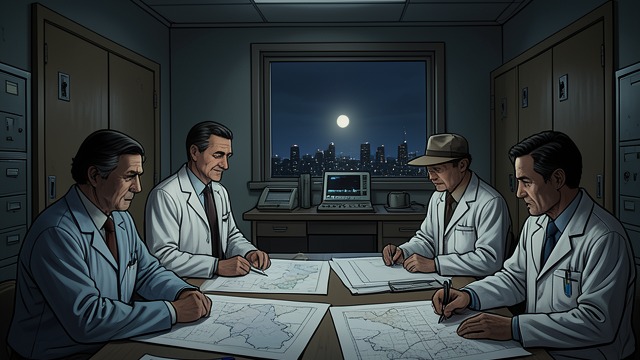
A Hidden Project
Secrecy as wartime necessity
The Manhattan Project was built under intense secrecy, with limited information shared across locations. Oppenheimer accepted secrecy while questioning whether overcompartmentalization damaged scientific work.
A scientific contradiction
The project needed both concealment from enemies and collaboration among experts. That tension would persist into the postwar debate over nuclear knowledge.
The Promise of Public Knowledge

The Promise of Public Knowledge
A new fact for humanity
Oppenheimer argued that the atomic bomb had changed the nature of warfare and could not remain a secret among states. He hoped the weapon’s public revelation would encourage international action.
A stalled conversation
Government leaders withheld important information from the Soviets and the public. The gap between scientific knowledge and political communication widened.
Secrecy and the Super
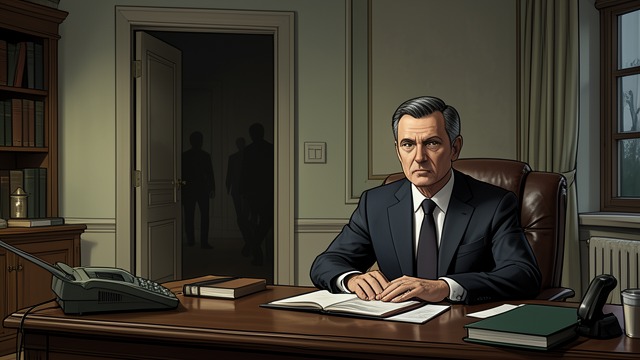
Secrecy and the Super
Decisions without debate
The administration decided to pursue the hydrogen bomb in a closed process. Oppenheimer objected that facts essential to the moral and strategic debate were being withheld.
Public voice suppressed
His disagreement could not be aired freely without challenging classified policy. The secrecy system insulated decisions from public scrutiny and made dissent easier to suspect.
Candor as Defense
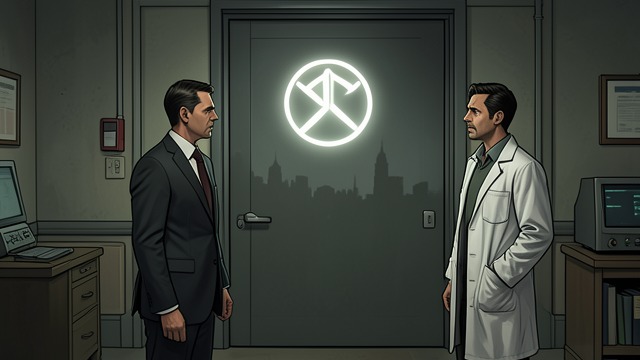
Candor as Defense
Facts and responsibility
Oppenheimer argued that the public needed an authoritative account of the nuclear balance. He believed that informed citizens were essential to rational defense policy.
The cost of disclosure
Strauss and other officials feared that openness would help the Soviet Union. The disagreement was not merely about secrets; it concerned who had the right to judge national policy.
A Hearing Behind Closed Doors
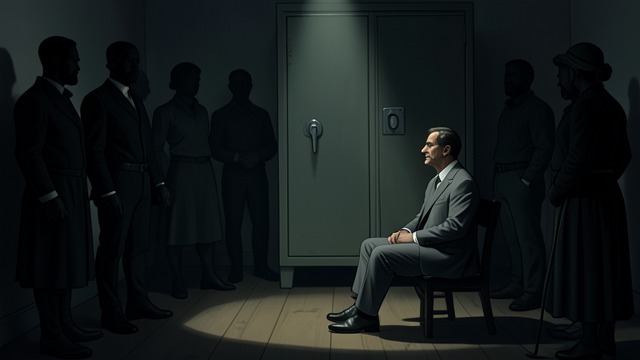
A Hearing Behind Closed Doors
Secrecy inside the inquiry
The board relied on classified files and information that Oppenheimer’s lawyers could not fully review. The process meant the accused could not confront the whole evidentiary record.
A warning embodied
The hearing demonstrated how secrecy could enable power without accountability. Oppenheimer’s call for public candor was answered by a private proceeding about his own reliability.
1942–1943, as the Manhattan Project takes shape
1945–1946, after the atomic bombings
1949–1950, during the hydrogen-bomb debate
1953, in Oppenheimer’s Foreign Affairs essay
April–May 1954, during the security proceeding
